
Aperol Spritz Calories: A Complete Guide to Calories, Ingredients, and Smarter Enjoyment

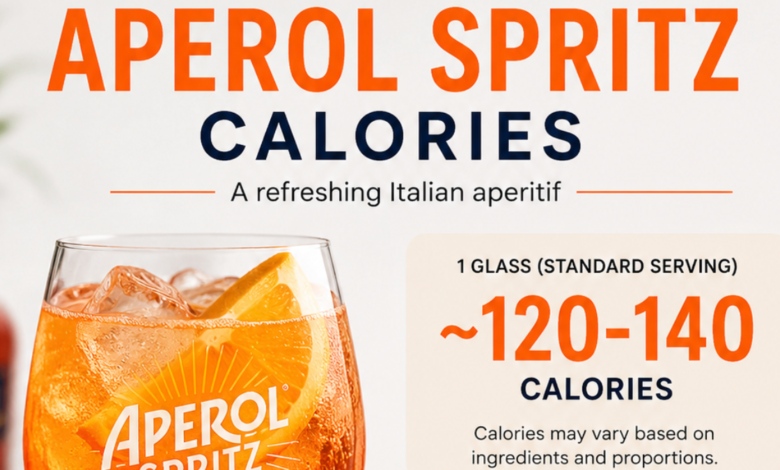
Aperol Spritz calories are a common question for people who enjoy this bright orange Italian cocktail but also want to understand what they are drinking. The Aperol Spritz looks light and refreshing, and it contains sparkling water, but it still provides calories from Aperol and Prosecco. The exact amount can change depending on the recipe, serving size, brand, and how generously the drink is poured.
A classic Aperol Spritz is made with Prosecco, Aperol, soda water, ice, and an orange slice. The official Aperol recipe follows a simple three-two-one ratio: three parts Prosecco, two parts Aperol, and one part soda water. In the U.S. version of the official recipe, this equals about 90 ml Prosecco, 60 ml Aperol, and 30 ml soda water.
For people watching their calorie intake, this cocktail can fit into an enjoyable lifestyle when consumed responsibly. However, it’s important to understand that “light” in taste doesn’t always mean low in calories. Let’s explore aperol spritz calories, where those calories come from, and how you can make informed choices without giving up the pleasure of a refreshing spritz.
What Is an Aperol Spritz?
An Aperol Spritz is a popular Italian aperitivo made from Aperol, Prosecco, and soda water. It has a bright orange color and a bittersweet taste with citrus and herbal notes. The drink is normally served over plenty of ice in a large wine or balloon glass and finished with an orange slice.
Aperol itself is an Italian aperitivo with an alcohol content of around 11%. The official Aperol information describes its flavor as bittersweet, with fruit, herbs, roots, woods, citrus, and other aromatic elements contributing to its distinctive character.
The cocktail became especially popular as part of Italian aperitivo culture. It’s often enjoyed before a meal alongside small snacks and conversation. Today, it’s served around the world at restaurants, cafés, parties, rooftop gatherings, and summer events.
The simple recipe is one reason the drink is so popular. There are no heavy creams, large amounts of syrup, or complicated mixers. Still, both Aperol and Prosecco contribute calories, which means the total can add up.
Aperol Spritz Calories at a Glance
There isn’t one universal calorie number for every Aperol Spritz. The biggest reason is that cocktails are often prepared differently.
A bartender may use a measured recipe, while another may pour a larger amount of Prosecco or Aperol. A homemade drink may also be smaller or larger than a restaurant serving.
A reasonable estimate for a classic serving is around 125 to 200 calories, although larger or sweeter versions can go higher. Some nutrition sources place the broader range at roughly 125 to 245 calories because recipes and serving sizes vary.
Here’s a practical guide:
| Aperol Spritz Style | Approximate Calories |
|---|---|
| Small, lighter pour | 100–140 |
| Classic measured serving | 125–180 |
| Generous restaurant serving | 180–245+ |
| Large or sweeter version | 200–300+ |
| Soda water | Almost no calories |
| Orange garnish | Small calorie contribution |
These figures are estimates rather than laboratory measurements. The exact number depends on the ingredients and quantities used.
That’s why it’s better to think of aperol spritz calories as a range rather than a single fixed number.
Where Do Aperol Spritz Calories Come From?
Understanding the ingredients makes calorie counting much easier. The classic cocktail contains three main liquid ingredients: Prosecco, Aperol, and soda water.
Prosecco
Prosecco provides part of the calorie content because it contains alcohol and naturally occurring carbohydrates from the winemaking process.
The classic U.S. Aperol recipe uses about 90 ml, or three ounces, of Prosecco.
The exact calories can differ between Prosecco brands because sweetness and alcohol levels aren’t always identical. A dry Prosecco may contain less residual sugar than a sweeter sparkling wine.
Aperol
Aperol is another major source of calories. Although it has a relatively low alcohol level compared with many spirits, it is an aperitivo and contains sugar and other ingredients that contribute energy.
The classic recipe uses about 60 ml, or two ounces, of Aperol in the U.S. official version.
This is important because reducing the amount of Aperol can lower the overall calorie content, although doing so also changes the traditional flavor balance.
Soda Water
Soda water is one of the easiest parts of the cocktail from a calorie perspective.
Plain soda water contains little to no meaningful calories. It adds bubbles and helps create the refreshing character of the drink without adding the sugar found in many sweet mixers.
Orange Slice
An orange slice is traditionally used as a garnish. It contributes a small amount of calories compared with the alcoholic ingredients.
The orange is mainly there to improve aroma, appearance, and flavor. It shouldn’t be treated as a major source of calories in the cocktail.
The Classic Recipe and Its Effect on Calories
The official Aperol recipe uses the well-known three-two-one method: three parts Prosecco, two parts Aperol, and one part soda water. In the U.S. recipe, the quantities are 90 ml Prosecco, 60 ml Aperol, and 30 ml soda water, with an orange slice for garnish.
This ratio matters because changing the amounts changes the drink’s calorie content.
For example, consider what happens when someone pours extra Prosecco. The drink becomes larger and contains more calories. If someone adds extra Aperol, the drink becomes sweeter and stronger in flavor while also adding calories.
On the other hand, adding more soda water and ice can create a longer, refreshing drink without adding much energy.
The key takeaway is simple: portion size matters.
Why Aperol Spritz Calories Can Vary So Much
Ordering an Aperol Spritz at different places can produce very different results. That’s because cocktails aren’t always standardized in the same way as packaged foods.
Several factors can influence the final calorie count.
Pour Size
A measured cocktail has a more predictable calorie level. A free-poured drink can contain considerably more Aperol or Prosecco.
Prosecco Type
Different Prosecco products can have different amounts of sugar and alcohol. A sweeter sparkling wine may contribute more calories than a very dry option.
Aperol Quantity
The more Aperol used, the more calories the drink is likely to contain.
Extra Ingredients
Some bars create variations using:
- Fruit juice
- Flavored syrups
- Sweet sparkling wine
- Tonic water
- Other liqueurs
- Sweetened mixers
These ingredients can increase calories beyond those found in a traditional Aperol Spritz.
Glass Size
A large wine glass doesn’t necessarily mean a large drink, because much of the glass may contain ice. However, an oversized serving can encourage a bartender to pour more alcohol.
Is an Aperol Spritz a Low-Calorie Cocktail?
Whether an Aperol Spritz qualifies as “low calorie” depends on what you compare it with.
A classic version doesn’t contain cream, heavy syrup, or large amounts of sugary juice. Soda water also contributes very little energy. As a result, the drink can be lighter than some dessert-style cocktails.
However, calling it a health drink would be misleading.
Alcohol contributes calories, and Aperol also contains sugar. A cocktail can look light and bubbly while still contributing a meaningful amount of energy.
Some estimates put an Aperol Spritz around 125 to 245 calories, depending on how it is prepared.
So, if you’re tracking your daily intake, it’s sensible to include the cocktail in your overall food and drink plan.
The good news is that you don’t have to panic over one drink. A single cocktail is only one part of your overall eating pattern.
Aperol Spritz Calories Compared With Other Drinks
Comparisons can help put Aperol Spritz Calories into perspective.
| Drink | General Calorie Pattern |
|---|---|
| Soda water | Very low |
| Dry sparkling wine | Usually moderate |
| Aperol Spritz | Moderate, depending on recipe |
| Beer | Moderate, depending on style and serving |
| Sweet wine | Moderate to high |
| Margarita | Can be high, especially with sweet mixers |
| Cream-based cocktail | Often high |
| Sweet dessert cocktail | Often high |
This table is only a general comparison. Actual calories depend on brands, portions, alcohol levels, mixers, and recipes.
For example, a homemade drink made with carefully measured ingredients can be very different from a large restaurant cocktail containing extra alcohol and sweet additions.
How Sugar Affects Aperol Spritz Calories
Sugar is another reason calorie numbers can differ.
Aperol has a bittersweet flavor, which comes partly from its ingredients and sugar content. Prosecco can also contain varying levels of residual sugar depending on the style.
A classic Aperol Spritz doesn’t require simple syrup or fruit juice. That’s one advantage compared with cocktails that use multiple sweet mixers.
Still, the absence of syrup doesn’t make the drink sugar-free.
Some published nutrition estimates put the sugar content of an Aperol Spritz at around the high teens in grams, but the actual amount depends heavily on the recipe and brands used.
If you’re watching added sugar, it’s worth remembering that alcohol and sugar are separate considerations. A drink can have a moderate calorie count while still contributing a noticeable amount of sugar.
Does Ice Change Aperol Spritz Calories?
Ice itself doesn’t meaningfully add calories.
In fact, ice can be useful because it keeps the drink cold and helps maintain its refreshing character. Aperol recommends using plenty of ice when preparing the cocktail.
However, melting ice can dilute the drink. This doesn’t remove the calories that were originally poured into the glass; it simply increases the amount of water in the beverage.
In other words, a diluted cocktail isn’t necessarily a lower-calorie cocktail.
If you want to control aperol spritz calories, measuring the ingredients is much more useful than simply adding extra ice.
How to Make a Lower-Calorie Aperol Spritz
If you’re trying to reduce calories while still enjoying the drink, small changes can help.
Use Measured Portions
The simplest strategy is to measure the Aperol and Prosecco instead of pouring freely.
This gives you better control over the amount of alcohol and calories in the glass.
Add More Soda Water
Plain soda water contains very few calories. Adding a little more can create a longer drink without adding significant energy.
Keep in mind, though, that changing the ratio also changes the traditional taste.
Choose a Dry Prosecco
A dry Prosecco can be a sensible choice when you want to limit sweetness. Aperol itself recommends brut Prosecco for maintaining the cocktail’s bittersweet balance.
Dry does not automatically mean calorie-free, but it can help avoid unnecessary sweetness.
Avoid Sugary Mixers
A traditional Aperol Spritz doesn’t need:
- Simple syrup
- Sweetened fruit juice
- Soda with added sugar
- Flavored syrups
- Sweet cocktail mixers
Sticking to Aperol, Prosecco, soda water, ice, and orange keeps the ingredient list simple.
Keep the Orange Garnish
There’s no need to remove the orange slice to save a meaningful number of calories. Its calorie contribution is small, while its aroma and flavor can make the cocktail more enjoyable.
A Simple Lower-Calorie Approach at Home
Making your own Aperol Spritz gives you more control than ordering one at a bar.
Start with a smaller measured amount of Prosecco and Aperol, then add plenty of soda water and ice. You can also choose a dry Prosecco.
For example, a lighter homemade version could use:
- A modest pour of Prosecco
- A smaller portion of Aperol
- Plenty of soda water
- Lots of ice
- One orange slice
This won’t be exactly the same as the official three-two-one recipe, but it can provide a similar style of drink with a lower total calorie load.
The most important point is to recognize that changing the recipe changes the traditional cocktail. There’s nothing wrong with that if your goal is personal calorie control.
Aperol Spritz Calories and Alcohol Content
Calories aren’t the only thing to consider.
Alcohol itself provides energy, and an Aperol Spritz contains alcohol from both Prosecco and Aperol. Aperol’s official information gives the drink an alcohol level around 9% in some markets, although product and recipe information can vary by market.
Because alcohol can affect judgment and coordination, calorie tracking shouldn’t be the only consideration when enjoying alcoholic drinks.
A cocktail may feel light because it’s bubbly and refreshing, but that doesn’t mean you should drink it quickly.
Instead, take your time, enjoy the flavors, and remember to drink water as well.
Never drive after drinking alcohol, and people who are pregnant or may be pregnant should avoid alcohol.
Is Aperol Spritz Suitable for Weight Loss?
Aperol Spritz isn’t specifically a weight-loss drink.
If you’re trying to manage body weight, the most useful approach is to consider your overall food and drink pattern rather than focusing on one individual beverage.
Alcoholic drinks can add calories without providing the same fullness as a meal. Drinking several cocktails can therefore make it easier to consume more energy than expected.
If you’re working toward a calorie goal, you can account for your drink in advance. You might choose a smaller serving, reduce other high-calorie extras, or simply enjoy the cocktail less frequently.
There’s no need for an all-or-nothing approach.
A sustainable eating pattern can include occasional enjoyable foods and drinks. What matters most is your overall routine.
Smart Tips for Managing Aperol Spritz Calories
Here are practical strategies for anyone who wants to enjoy an Aperol Spritz while being more aware of calorie intake:
- Measure the Aperol rather than free-pouring.
- Measure the Prosecco as well.
- Choose a dry or brut Prosecco.
- Use plain soda water.
- Avoid sugary mixers and syrups.
- Add plenty of ice.
- Drink slowly rather than quickly.
- Alternate alcoholic drinks with water.
- Keep portions reasonable.
- Don’t assume every restaurant serving has the same calories.
- Include cocktails in your overall daily intake.
- Focus on your long-term eating pattern instead of one drink.
These simple habits can make calorie awareness much easier.
Aperol Spritz Calories and Food Pairings
An Aperol Spritz is traditionally associated with aperitivo, a social eating and drinking tradition in Italy. Aperol describes the drink as an aperitivo and notes that it can be served alongside small snacks such as cicchetti.
The food served with a cocktail matters when considering your total calorie intake.
Good pairing choices can include:
- Fresh vegetables
- Olives
- Small portions of lean protein
- Light seafood
- Fresh fruit
- Small portions of cheese
- Whole-grain crackers
Of course, traditional Italian snacks can vary widely, and there’s no need to make every social occasion a strict diet exercise.
The key is balance.
If your drink already contributes calories, you may not need a large amount of fried or heavily sauced food alongside it.
Common Mistakes When Counting Aperol Spritz Calories
Counting cocktail calories can be tricky because people often forget about serving size.
One common mistake is assuming that every Aperol Spritz has the same calorie count.
It doesn’t.
Another mistake is counting only the Aperol. Prosecco also contributes calories, so both alcoholic ingredients need to be considered.
A third mistake is forgetting extras. Sweet syrups, juices, flavored mixers, and larger pours can significantly change the total.
Finally, some people assume that soda water cancels out the calories from alcohol. It doesn’t. Soda water simply adds very little energy of its own.
Frequently Asked Questions About Aperol Spritz Calories
How many calories are in an Aperol Spritz?
A typical Aperol Spritz may contain approximately 125 to 200 calories, although the total can be lower or higher depending on serving size and ingredients. Some published estimates give a wider range of approximately 125 to 245 calories.
Why are Aperol Spritz calories different from one drink to another?
The amount of Prosecco and Aperol can vary. Different brands can also have different sugar levels. Restaurant portions may be larger than home servings.
Does soda water add calories?
Plain soda water generally contributes little to no meaningful calories. It is one of the best ways to add volume and fizz without adding sugar.
Is Aperol Spritz high in sugar?
It can contain a noticeable amount of sugar because Aperol is a bittersweet aperitivo and Prosecco may also contain residual sugar. Exact amounts vary by recipe and product.
Can I make an Aperol Spritz with fewer calories?
Yes. You can use measured portions, reduce the amount of Aperol or Prosecco, add more soda water, and avoid sugary mixers. However, changing the classic ratio will also change the flavor.
Does an orange slice add many calories?
No. A small orange garnish adds only a modest amount of energy compared with the alcohol-containing ingredients.
Is Aperol Spritz healthier than other cocktails?
It’s not accurate to call an Aperol Spritz a healthy drink. However, it can be less calorie-heavy than some cocktails that contain cream, large amounts of syrup, or sweet mixers. The comparison depends on the specific recipes.
Can I drink Aperol Spritz while counting calories?
It can be included in a calorie-aware lifestyle if you choose to drink alcohol and account for the drink in your overall intake. Portion control is particularly helpful.
Does more ice reduce the calories?
No. Ice doesn’t remove the calories already present in the ingredients. It mainly chills and dilutes the cocktail as it melts.
What is the classic Aperol Spritz ratio?
The classic recipe uses three parts Prosecco, two parts Aperol, and one part soda water. The official U.S. recipe lists 90 ml Prosecco, 60 ml Aperol, and 30 ml soda water.
What Experts and Consumers Should Remember
When discussing aperol spritz calories, accuracy is more useful than pretending there is one perfect number.
Cocktail calories can vary because cocktails are prepared by people, not produced in identical sealed packages. The size of the glass isn’t necessarily the serving size, and free-pouring can make a significant difference.
For nutrition tracking, the best method is to use the actual amounts of ingredients whenever possible.
If you’re making a drink at home, measuring your ingredients provides much better information than guessing. If you’re at a restaurant, remember that the listed calorie number may be an estimate, especially when serving sizes aren’t standardized.
For anyone with a medical condition, a specific dietary requirement, or a medically prescribed calorie or carbohydrate target, it’s wise to discuss alcohol choices with a qualified healthcare professional.
The Bottom Line on Aperol Spritz Calories
Aperol Spritz calories generally fall into a moderate range, but there is no single calorie number that applies to every glass. A classic measured version can reasonably be estimated at roughly 125 to 200 calories, while generous restaurant pours and sweeter variations may reach or exceed 200 calories.
The calories mainly come from Aperol and Prosecco, while plain soda water contributes very little. The official recipe uses the familiar three-two-one ratio of Prosecco, Aperol, and soda water.
If you’re watching your intake, there’s no need to overcomplicate things. Measure your portions, choose a dry Prosecco, avoid sugary extras, drink slowly, and include the cocktail in your overall food and drink choices.
Most importantly, remember that calorie awareness doesn’t have to mean giving up every enjoyable moment. With sensible portions and responsible drinking, you can appreciate the bright citrus character, bubbles, and social experience of an Aperol Spritz while staying informed about aperol spritz calories.
You may also read
Bluetooth Keyboard: A Complete Guide to Choosing, Using, and Understanding Wireless Keyboards
