
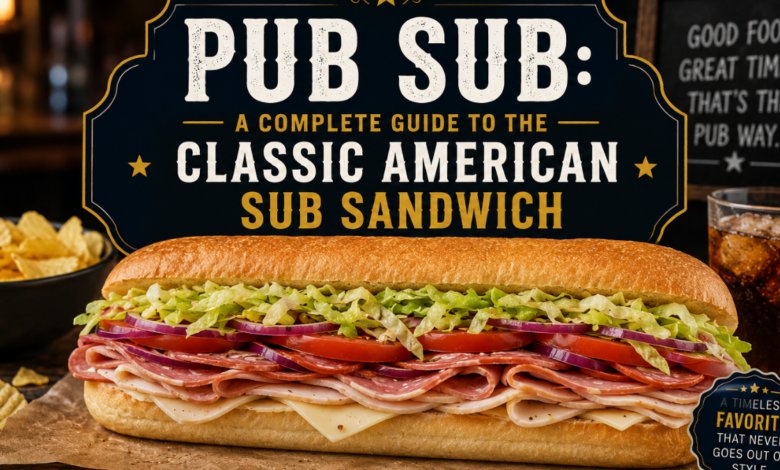

A pub sub is a hearty, flavorful sandwich that has become a popular choice for people who want a filling meal without the fuss of a formal sit-down dinner. Built on fresh bread and packed with meats, cheeses, vegetables, sauces, and seasonings, this style of sandwich offers plenty of room for personal choice. Whether you’re grabbing lunch, feeding a family, or looking for an easy meal on a busy day, a pub sub can be a practical and satisfying option.




The name may sound simple, but the idea behind a pub sub has a rich food culture connected to American sandwich shops, delis, pubs, and casual restaurants. Unlike a small snack sandwich, it is usually made to be substantial. The bread holds a generous filling, while fresh toppings and sauces bring different textures and flavors together.
In this guide, we’ll explore what a pub sub is, where the idea comes from, what ingredients are commonly used, how to order one, and how to make a great version at home. We’ll also look at nutrition, popular combinations, and helpful tips for choosing the right sandwich.
What Is a Pub Sub?
A pub sub is generally a long, deli-style sandwich served on a soft or crusty roll. The exact ingredients can vary greatly, but the basic structure remains familiar: bread, a protein or filling, cheese, vegetables, and a dressing or sauce.
The term “pub sub” can also refer to the kind of oversized sandwich commonly associated with casual pubs and American sandwich counters. There isn’t one universal recipe that every restaurant follows. Instead, the term describes a style of sandwich that emphasizes generous portions and bold, balanced flavors.
A typical sandwich might include:
- Fresh sub or hoagie bread
- Turkey, ham, roast beef, chicken, or Italian meats
- Provolone, Swiss, cheddar, or mozzarella cheese
- Lettuce and tomatoes
- Onions and peppers
- Pickles or banana peppers
- Mayonnaise, mustard, oil, or vinaigrette
- Salt, pepper, oregano, or other seasonings
The beauty of a pub sub is its flexibility. If you don’t like onions, leave them out. If you enjoy spicy food, add hot peppers. If you’re watching your meat intake, vegetables and cheese can take center stage. There’s no need to overthink it.
The History and Appeal of Pub-Style Sandwiches
Long sandwiches have a long history in American food culture. Submarine sandwiches, hoagies, grinders, heroes, and other regional names have been used for similar foods across the United States. Over time, local restaurants developed their own versions, often changing the bread, fillings, sauces, and preparation methods.
The pub-style version fits naturally into this tradition. Pubs are known for casual meals that are easy to serve and enjoyable with friends. A large sandwich fits that setting perfectly because it can be eaten without special utensils and can be customized for different tastes.
Another reason these sandwiches remain popular is convenience. People are busy, and sometimes you want something substantial that you can pick up and eat within minutes. A pub sub checks that box while still feeling like a proper meal.
Interestingly, food language can be just as colorful as food itself. A casual expression, an odd phrase, or even a strange online search such as “idiodid nicole kidman and keith urban splitms” may appear alongside unrelated food searches on the internet, but those terms have nothing to do with the history or preparation of a pub sub. Keeping food information focused helps readers find the answers they actually need.
What Makes a Great Pub Sub?
A good pub sub isn’t simply a sandwich with lots of ingredients. Balance matters. Too much meat can make the sandwich heavy, while too many vegetables can overpower the main filling. The bread also needs to support everything without falling apart.
Freshness is one of the most important qualities. Crisp lettuce, ripe tomatoes, fresh onions, and good-quality bread can make a noticeable difference. Even simple ingredients can taste excellent when they’re fresh.
The main elements of a successful sandwich include:
| Element | What to Look For |
|---|---|
| Bread | Fresh, soft inside with enough structure |
| Protein | Flavorful and properly sliced |
| Cheese | Melts or complements the filling |
| Vegetables | Crisp, fresh, and well-balanced |
| Sauce | Adds moisture without making bread soggy |
| Seasoning | Enhances flavors without overpowering them |
| Texture | A mix of soft, crisp, creamy, and chewy |
Another important point is proportion. A sandwich should be easy enough to bite into. If the fillings are piled so high that everything slides out, the experience becomes messy rather than enjoyable. A well-made pub sub should feel generous but still manageable.
Popular Ingredients in a Pub Sub
One of the most enjoyable parts of ordering a pub sub is choosing the ingredients. Different combinations can create completely different eating experiences.
Meats and Proteins
Classic choices include turkey, ham, roast beef, chicken, salami, pepperoni, and other deli meats. Italian-style combinations often use several cured meats together for a stronger and saltier flavor.
For a lighter sandwich, turkey or grilled chicken may be a better choice. Roast beef gives a richer taste, while ham provides a familiar sweet and savory profile.
Cheese
Cheese adds creaminess and richness. Provolone is a classic choice because its mild flavor works well with many meats. Swiss cheese adds a slightly nutty character, while cheddar provides a stronger flavor.
Mozzarella can work especially well with tomato, basil, and Italian-style seasonings. The choice doesn’t have to be complicated. Sometimes the best sandwich is built from a few simple ingredients that work well together.
Fresh Vegetables
Vegetables provide freshness and crunch. Lettuce and tomato are common starting points, but they’re far from the only choices.
You might add:
- Red onions
- Green peppers
- Cucumbers
- Pickles
- Banana peppers
- Jalapeños
- Black olives
- Spinach
These toppings can change the sandwich’s texture and add acidity, sweetness, or heat.
Sauces and Seasonings That Complete the Sandwich
Sauce can make or break a pub sub. It provides moisture and helps connect the different ingredients. However, too much sauce can quickly turn a fresh sandwich into a soggy mess.
Mayonnaise is creamy and mild. Mustard adds sharpness. Oil and vinegar provide a lighter, tangy finish. Some sandwich shops also offer ranch, chipotle sauces, garlic sauces, or spicy dressings.
Seasonings are equally useful. A small amount of oregano, black pepper, salt, or Italian seasoning can add another layer of flavor.
A useful rule is to start with less sauce. You can always add more, but once the bread is soaked, there’s no easy way to reverse it.
How to Order a Pub Sub
Ordering a pub sub is usually straightforward, but knowing what you want can make the process quicker. Most sandwich shops allow customers to choose the bread, meat, cheese, vegetables, sauce, and seasonings.
Start by choosing the size. If you’re very hungry, a large sandwich may be suitable. If you’re having sides or saving part of the meal for later, a smaller size may be enough.
Next, select your main filling. Consider whether you want something light, rich, spicy, or traditional. Then choose cheese and vegetables that complement the main ingredient.
When it comes to sauces, think about the overall flavor. For example:
- Turkey works well with mayonnaise, mustard, lettuce, and tomato.
- Roast beef can pair nicely with provolone, onions, and peppers.
- Italian meats work well with provolone, peppers, onions, and oil and vinegar.
- Chicken can work with cheese, lettuce, tomato, and a creamy or spicy sauce.
- A vegetable-focused sandwich can benefit from a tangy dressing and extra seasoning.
If you’re unsure, ask the sandwich maker for a popular combination. That’s often the easiest way to discover a new favorite.
Best Pub Sub Combinations to Try
There are countless ways to build a pub sub, but a few combinations stand out because their flavors naturally work together.
Classic Turkey and Cheese
Turkey with provolone, lettuce, tomato, onion, mayonnaise, and mustard is a dependable choice. It’s mild enough for most people while still offering plenty of flavor.
Italian-Style Sub
An Italian-inspired version may include salami, ham, pepperoni, and provolone. Add lettuce, tomato, onions, peppers, and oil and vinegar for a bright finish.
Roast Beef and Provolone
Roast beef and provolone create a rich combination. Add onions, peppers, lettuce, and a little mustard for contrast.
Chicken and Fresh Vegetables
Chicken, cheese, lettuce, tomato, cucumber, and a light dressing can create a fresher and lighter sandwich. It’s a good choice when you want something filling without a very heavy flavor.
Spicy Pub Sub
For people who enjoy heat, try a meat and cheese combination with jalapeños, banana peppers, spicy mustard, and hot sauce. A little heat goes a long way, so add spicy ingredients gradually.
Making a Pub Sub at Home
You don’t need a professional sandwich shop to make a satisfying pub sub. With good ingredients and a little preparation, you can create one in your own kitchen.
Start with fresh sub rolls. Avoid bread that is too thin because it may collapse under the fillings. At the same time, extremely hard bread can make the sandwich difficult to bite.
Prepare your ingredients before assembling the sandwich. Slice the vegetables, arrange the meats and cheese, and have your sauce ready.
A simple preparation method is:
- Slice the roll lengthwise.
- Spread a thin layer of sauce on the bread.
- Add cheese.
- Layer the meat evenly.
- Add vegetables.
- Sprinkle on seasonings.
- Add a small amount of additional dressing if needed.
- Close the sandwich and cut it into manageable portions.
For a toasted version, add the meat and cheese first and warm them before adding fresh vegetables. This creates a pleasant contrast between warm fillings and crisp toppings.
Healthy Choices for a Pub Sub
A pub sub can be part of a balanced diet, especially when you pay attention to portions and ingredients. The nutritional value depends heavily on what you put inside.
Processed meats and large amounts of cheese can increase sodium and saturated fat. Creamy sauces may also add calories. On the other hand, vegetables can contribute fiber, vitamins, minerals, and freshness.
If you’d like a lighter version, consider:
- Lean turkey or grilled chicken
- More vegetables
- A smaller amount of cheese
- Mustard instead of heavy sauces
- A light oil-and-vinegar dressing
- A smaller bread portion
- Fresh ingredients instead of heavily processed toppings
You don’t have to remove every ingredient you enjoy. Moderation is usually more practical than extreme restriction.
How to Keep a Pub Sub Fresh
If you’re not eating your pub sub immediately, storage becomes important. Moisture from tomatoes, pickles, and sauces can soften bread over time.
For the best texture, keep wet ingredients separate when possible. If you’re preparing sandwiches for later, place lettuce between the bread and wetter ingredients to create a small barrier.
Wrap the sandwich securely and refrigerate ingredients that require refrigeration. Don’t leave perishable fillings at room temperature for long periods.
For packed lunches, consider carrying sauces separately and adding them shortly before eating. It takes an extra moment, but the improved texture is worth it.
Pub Sub vs. Other Popular Sandwiches
The world of long sandwiches includes several names and regional traditions. While they may look similar, the terminology can vary from one part of the country to another.
| Sandwich Style | Common Characteristic |
|---|---|
| Sub | Long roll with meat, cheese, vegetables, and sauce |
| Hoagie | A regional term strongly associated with Philadelphia |
| Grinder | Often associated with toasted or heated sandwiches |
| Hero | A common New York term |
| Pub Sub | Casual, generous sandwich style often linked with pub or deli settings |
| Baguette Sandwich | Usually uses French-style crusty bread |
The important thing is that food names aren’t always standardized. One restaurant may use “sub,” while another uses “hoagie” for a very similar sandwich.
That’s part of what makes sandwich culture interesting. Regional food traditions often develop their own vocabulary, flavors, and preparation methods.
Tips for Choosing the Best Ingredients
Quality doesn’t always mean buying the most expensive ingredients. Instead, focus on freshness and compatibility.
Choose bread that was baked recently. Look for vegetables that are crisp and colorful. Select meat that has a pleasant smell and appearance, and use cheese that complements rather than overwhelms the main filling.
You should also consider texture. A sandwich made entirely from soft ingredients may feel dull. Adding crunchy vegetables or pickles creates contrast.
Likewise, flavor balance matters. Salty meats can benefit from fresh vegetables and acidic dressings. Rich cheese can be balanced by sharp mustard or tangy peppers.
In other words, don’t just build a pile of ingredients. Build a combination where every part has a purpose.
Common Mistakes When Making a Pub Sub
Even an easy sandwich can go wrong. Fortunately, most mistakes are simple to avoid.
Using Stale Bread
Fresh bread is the foundation of the sandwich. If the bread is stale, even excellent fillings may not save it.
Adding Too Much Sauce
A generous amount of sauce may sound appealing, but excessive moisture can make the bread soggy.
Overloading the Sandwich
More isn’t always better. Too many ingredients can make flavors compete with each other and make the sandwich difficult to eat.
Ignoring Seasoning
Meat, cheese, and vegetables can taste flat without seasoning. A small amount of pepper, oregano, or another suitable seasoning can make a big difference.
Poor Ingredient Placement
If all the meat is placed in one thick pile, some bites will have too much filling while others will have almost none. Spread ingredients evenly for a better experience.
Why Pub Subs Remain Popular
The continued appeal of the pub sub comes down to a few simple ideas: convenience, variety, flavor, and value.
People can create a sandwich that fits their personal taste. Someone may prefer a simple turkey sandwich, while another person may want a loaded Italian combination with spicy peppers and extra cheese.
They’re also easy to share, pack, or customize. For families and groups, a sandwich shop can offer different combinations without requiring everyone to eat the same meal.
And, let’s be honest, there’s something satisfying about holding a generously filled sandwich in your hands and knowing you’ve got a proper meal ahead of you.
Frequently Asked Questions About Pub Sub
What is a pub sub?
A pub sub is a long, generously filled sandwich generally made with sub-style bread, meat or another protein, cheese, vegetables, sauces, and seasonings. The exact ingredients depend on the restaurant or recipe.
Is a pub sub the same as a sub sandwich?
They can be very similar. The main difference is often the name and local food tradition rather than a strict recipe.
What meat is best for a pub sub?
Turkey, roast beef, ham, chicken, salami, and other deli meats can all work well. The best choice depends on your preferred flavor and texture.
What cheese goes well with a pub sub?
Provolone is a versatile option, while Swiss, cheddar, and mozzarella can also work well. Choose a cheese that complements the meat and vegetables.
Can I make a pub sub at home?
Absolutely. Fresh bread, quality fillings, vegetables, cheese, and a good sauce are enough to make a satisfying homemade version.
Is a pub sub healthy?
It can be. Choose lean proteins, plenty of vegetables, moderate cheese, and lighter sauces if you’re aiming for a more balanced meal. Nutrition varies greatly depending on ingredients and portion size.
Final Thoughts on Pub Sub
A pub sub is more than a long sandwich. It represents the simple pleasure of combining fresh bread, flavorful fillings, crisp vegetables, cheese, sauces, and seasonings into one convenient meal. Its flexibility makes it suitable for many different tastes, from people who prefer a classic turkey and cheese combination to those who enjoy bold Italian meats and spicy toppings.
The key to a great sandwich is balance. Fresh ingredients, proper portions, good bread, and thoughtful seasoning can turn ordinary components into something memorable. Whether you order one from a local sandwich shop or make your own in the kitchen, there’s plenty of room to experiment.
Ultimately, the best pub sub is the one that suits your taste, your appetite, and the occasion. Keep the ingredients fresh, avoid unnecessary overload, and don’t be afraid to try a new combination. With those simple principles, a pub sub can remain a delicious, convenient, and enjoyable choice for almost any casual meal.
You may also read
Kaia Gerber Lewis Pullman: Relationship, Careers, Timeline, and What We Know