
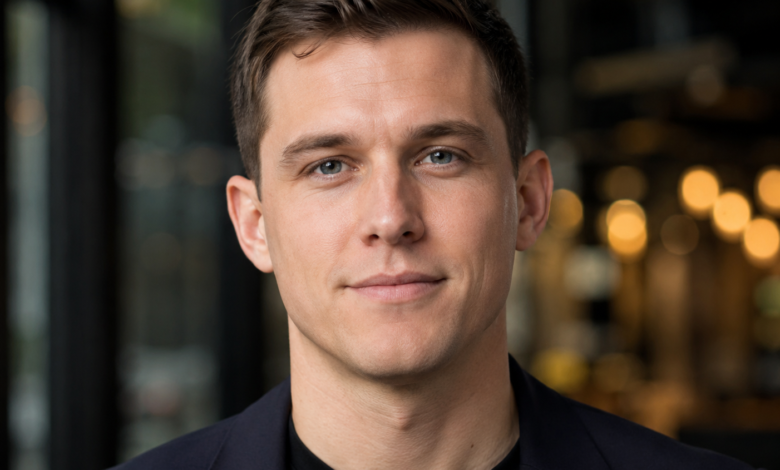
Sean Grayson: Understanding the Case, Its Impact, and the Search for Accountability

Sean Grayson became widely known after the tragic death of Sonya Massey, a woman from Illinois whose case drew national attention in the United States. The events surrounding the case created serious discussions about policing, public safety, accountability, race, and the use of force. For many people, the story was painful and difficult to understand. At the same time, it raised important questions about how police officers should respond during stressful situations and how the justice system handles allegations of wrongdoing.



This article provides a clear and informative overview of Sean Grayson, the case connected to his name, the legal process, the public response, and the broader lessons that can be learned. Because criminal cases can change as new evidence is presented and courts make decisions, it is important to separate confirmed information from claims, opinions, and allegations. The goal is not to rush to judgment but to help readers understand why this case became so important.
The story also reminds us of something simple but powerful: public trust depends on accountability. Police officers have difficult jobs, and communities need effective law enforcement. However, the public also expects officers to follow the law and protect human life. When a serious incident occurs, a fair and transparent investigation is essential. That’s really the heart of the matter.
Who Is Sean Grayson?
Sean Grayson is a former law enforcement officer in Illinois who became the subject of national attention following the fatal shooting of Sonya Massey in July 2024. At the time of the incident, Grayson was serving as a deputy with the Sangamon County Sheriff’s Office.
The case quickly became larger than a single local news story. Video footage, official statements, criminal charges, and public protests brought widespread attention to what happened inside Massey’s home. Political leaders, civil rights organizations, journalists, and members of the public discussed the case across the country.
It is important to use careful language when discussing a criminal defendant. Being charged with a crime is not the same as being convicted. In the United States, a defendant has the right to due process and is presumed innocent unless proven guilty in court. The legal system must examine the evidence and allow both the prosecution and defense to present their cases.
Still, the seriousness of the allegations against Sean Grayson made the case a major example in the continuing national conversation about police accountability.
The Background of the Sonya Massey Case
The events that brought Sean Grayson into national headlines began when Sonya Massey contacted emergency services because she believed there was a possible intruder near her home. Deputies were sent to respond to the call.
According to official accounts and publicly released body-camera footage, officers arrived at Massey’s home and interacted with her inside the residence. What began as a request for police assistance later turned into a deadly encounter.
The situation has received intense attention because Massey was the person who had called for help. That fact made the incident especially troubling for many observers. People asked an obvious question: when someone calls the police for protection, what should they reasonably expect from the officers who arrive?
The body-camera footage became a central part of the public discussion. Video evidence can provide valuable information about an incident, although it does not always answer every question by itself. Investigators and courts may also consider witness statements, physical evidence, forensic findings, training records, dispatch information, and other materials.
In this case, the available evidence led prosecutors to pursue serious criminal charges against Sean Grayson.
The Fatal Encounter Inside the Home
The encounter inside Sonya Massey’s home reportedly involved a discussion about a pot of boiling water. The situation escalated rapidly.
According to the publicly discussed evidence and prosecution allegations, Grayson fired his weapon, striking Massey. She later died from her injuries.
The speed of the escalation became one of the most debated parts of the case. Police officers often have to make decisions quickly, sometimes under dangerous conditions. However, the law and police training also place limits on the use of deadly force.
A key question in cases like this is whether an officer reasonably believed that there was an immediate threat of death or serious physical harm. Courts and investigators examine the specific facts available at the time rather than judging an event only with hindsight.
That said, the evidence in this case led authorities to take the unusual and serious step of charging the deputy involved with major crimes. For many members of the public, this suggested that prosecutors believed the evidence justified a criminal case.
The tragedy also left Sonya Massey’s family, friends, and community dealing with a devastating loss.
Criminal Charges Against Sean Grayson
Following the investigation, Sean Grayson was charged in connection with the death of Sonya Massey. The charges reported in the case included first-degree murder, aggravated battery with a firearm, and official misconduct.
These charges are extremely serious. A murder charge can carry severe legal consequences if a defendant is convicted. However, the criminal justice process includes many stages before a final verdict is reached.
Those stages may include:
- Formal criminal charges
- Court appearances
- Bail or detention decisions
- Pretrial hearings
- Evidence review
- Motions filed by attorneys
- Jury selection
- A trial
- A verdict
- Possible appeals
The prosecution has the burden of proving criminal charges according to the legal standard required by law. The defense has the right to challenge evidence, question witnesses, and present arguments on behalf of the defendant.
This process can sometimes take a long time. For families affected by violence, waiting for answers can be emotionally difficult. Still, a careful legal process is necessary because the outcome can affect the lives of everyone involved.
Why Body-Camera Footage Became So Important
The release of body-camera footage played a major role in public understanding of the Sean Grayson case.
Before body cameras became more common, the public often had to rely mainly on written police reports and witness accounts. Today, video can provide an additional record of an encounter. It may show what officers saw, said, and did during important moments.
However, body-camera footage should not be treated as magic evidence that automatically explains everything. Cameras have limitations. They show events from a particular angle and may not capture every detail. Sound, lighting, timing, and the position of the camera can also affect what viewers see.
Even so, video can be highly valuable when examined together with other evidence.
In the Massey case, the footage helped move the discussion beyond rumors and incomplete reports. People could see portions of the encounter for themselves. Naturally, this increased public reaction and created stronger demands for transparency.
For many communities, the lesson was clear: when serious incidents happen, releasing reliable information can help the public understand how authorities are responding.
The Legal Principle of Presumption of Innocence
It is essential to understand the legal status of a person accused of a crime. Sean Grayson, like any criminal defendant, has the right to a fair legal process.
The presumption of innocence is one of the most important principles in criminal law. It means that the government must prove its case. A person should not be treated as legally guilty simply because they were arrested, charged, or discussed heavily in the news.
This principle protects everyone.
At the same time, presumption of innocence does not prevent the public from discussing confirmed facts, examining official records, or asking serious questions about government actions. Communities have a legitimate interest in understanding cases involving public officials and the use of deadly force.
A balanced approach should recognize both ideas:
- The victim and family deserve a serious investigation.
- The accused person deserves due process.
- Evidence should be examined carefully.
- Courts should make decisions based on law and facts.
- Officials should be transparent with the public whenever legally possible.
This balance isn’t always easy, but it is necessary for justice.
The Public Reaction to the Sean Grayson Case
The Sean Grayson case caused strong reactions across the United States. Many people expressed anger, sadness, and concern after learning about Sonya Massey’s death and viewing the released footage.
Civil rights advocates argued that the case demonstrated continuing problems involving police use of force. Others focused on the need for better officer screening, training, supervision, and accountability.
Political leaders also responded to the incident. The case became part of broader national conversations about public safety and trust in law enforcement.
Public demonstrations and calls for justice showed that many people did not view the incident as an isolated event. Instead, they connected it to previous cases involving deaths during encounters with police.
The public response was driven by several concerns:
- The fact that Massey had called emergency services.
- The deadly outcome inside her own home.
- Questions about the use of force.
- The release of body-camera footage.
- Concerns about the officer’s professional history.
- The need for an independent and transparent investigation.
For communities, trust can take years to build and only moments to damage. That’s why cases involving police conduct often have consequences far beyond a single courtroom.
Questions About Law Enforcement Hiring and Oversight
One of the broader discussions connected to Sean Grayson involved his history as a law enforcement officer. Reports about his employment history led to questions about how police agencies hire, review, and monitor officers.
Police departments and sheriff’s offices must make important decisions when hiring officers. A candidate’s background, work history, training, disciplinary records, references, and professional behavior may all be relevant.
Effective oversight can include:
Careful Background Checks
Agencies should carefully review an applicant’s previous employment and professional history. If an officer has worked for several departments, agencies may need to understand why those employment changes happened.
Clear Sharing of Records
Law enforcement agencies need reliable systems for sharing important employment and disciplinary information when legally permitted. Missing information can create serious problems.
Strong Supervision
Hiring is only the beginning. Supervisors should monitor officers and respond appropriately when concerns arise.
Ongoing Training
Police work changes over time. Officers may need continued training in communication, de-escalation, crisis response, and decision-making.
Independent Accountability
When a serious incident occurs, the investigation should be trusted by the public. Independent investigators, prosecutors, or outside agencies may sometimes play an important role.
These issues are bigger than one person or one department. They involve systems, policies, and leadership across the law enforcement profession.
Police Training and the Importance of De-Escalation
The case connected to Sean Grayson renewed discussion about de-escalation.
De-escalation means trying to reduce tension and lower the risk of violence. It may involve speaking calmly, creating physical distance, waiting for additional support, giving clear instructions, or slowing down a fast-moving situation when it is safe to do so.
Of course, not every situation can be solved through conversation. Officers sometimes face immediate and dangerous threats. In those situations, they may have to act quickly.
But when there is time and opportunity, de-escalation can help prevent misunderstandings and reduce the chance of a situation becoming deadly.
Good training may focus on:
| Area of Training | Why It Matters |
|---|---|
| Communication skills | Helps officers give clear instructions |
| Crisis intervention | Supports safer responses to people in distress |
| De-escalation | Can reduce unnecessary conflict |
| Decision-making | Helps officers assess threats carefully |
| Legal standards | Ensures officers understand limits on force |
| First aid | Helps provide emergency care after an injury |
| Professional ethics | Reinforces public responsibility and trust |
The goal is not to make police officers afraid to do their jobs. Rather, the goal is to help them perform those jobs safely, lawfully, and professionally.
The Human Impact of the Case
Behind every major criminal case are real people. News stories may focus on charges, hearings, and legal arguments, but families experience the consequences in a deeply personal way.
Sonya Massey’s death was a devastating event for those who knew and loved her. Her family had to face not only the loss of a loved one but also intense public attention.
At the same time, criminal proceedings can affect many other people, including witnesses, fellow officers, community members, and the defendant’s family.
Recognizing this human impact doesn’t mean ignoring accountability. In fact, it can make accountability even more important.
A justice system should remember that its decisions affect lives. Courts should seek facts carefully. Investigators should avoid shortcuts. Public officials should communicate honestly. Communities should be given reasons to believe that serious cases will not simply disappear from attention.
In the end, respect for human dignity should remain at the center of the process.
Media Coverage and the Challenge of Accurate Reporting
High-profile cases often spread quickly across television, websites, and social media. This can help important information reach the public, but it can also create problems.
A dramatic video clip may travel faster than a complete explanation. A rumor can spread before investigators release confirmed facts. Social media users may form strong opinions before learning about the full legal record.
For this reason, readers should look for reliable information.
Helpful habits include:
- Checking official court records when available.
- Reading statements from prosecutors and investigators.
- Comparing reports from established news organizations.
- Paying attention to dates.
- Separating allegations from proven facts.
- Avoiding misleading social media posts.
- Remembering that legal cases can develop over time.
Whoa, it’s easy to get caught up in breaking news. Still, careful reading matters.
The most responsible approach is to stay informed without spreading claims that have not been verified.
What the Case Means for Public Trust
Public trust is essential to effective policing.
Police officers need communities to report crimes, provide information, and call for help during emergencies. Communities, meanwhile, need to believe that officers will act professionally and within the law.
When a serious incident raises questions about an officer’s conduct, trust can suffer. If people believe that investigations are hidden, unfair, or incomplete, the damage may become even greater.
Transparency can help.
This may include releasing appropriate information about investigations, explaining decisions, and providing clear updates as the legal process moves forward. Officials cannot always release every piece of evidence immediately, especially when doing so could affect an investigation or trial. Nevertheless, unnecessary secrecy can create suspicion.
A strong system should be able to investigate itself honestly while also accepting outside review when needed.
That is one of the broader lessons associated with the Sean Grayson case.
Lessons for Law Enforcement Agencies
Cases involving alleged police misconduct can create an opportunity for agencies to review their policies and improve.
Possible lessons include:
- Review hiring procedures regularly.
- Examine prior employment histories carefully.
- Improve communication between agencies.
- Strengthen training on crisis response.
- Encourage officers to use de-escalation when safe.
- Respond quickly to credible complaints.
- Use body-camera policies consistently.
- Support independent investigations of serious incidents.
- Provide accurate information to the public.
- Focus on professional leadership and ethical conduct.
Improvement should not be viewed as an attack on law enforcement. Good agencies should want to identify weaknesses before they lead to tragedy.
Most police officers may never become involved in a deadly-force incident. Even so, every agency needs strong systems because the consequences of a single serious failure can be enormous.
Lessons for Communities and Citizens
The case also offers lessons for the public.
Citizens can play an important role by staying informed and participating in lawful civic discussions. People can ask questions about local policing policies, attend public meetings, follow court cases, and support efforts that improve safety.
Communities can encourage:
- Fair investigations
- Respect for legal rights
- Better police training
- Open communication
- Support for victims’ families
- Peaceful civic engagement
- Accountability based on evidence
It is possible to support public safety while also demanding high standards from public officials. These ideas do not conflict with each other.
In fact, many people believe that strong accountability makes law enforcement more effective because it strengthens public confidence.
The Ongoing Legal Process
As with any major criminal case, the legal process involving Sean Grayson must be understood as a process rather than a single event.
News reports can sometimes make it seem as though an arrest or charge immediately settles every question. It doesn’t. Criminal cases can involve extensive evidence, legal arguments, hearings, and court decisions.
Readers following the case should watch for confirmed developments such as:
- Court rulings
- Trial schedules
- Changes in charges
- Decisions about evidence
- Jury findings
- Sentencing, if there is a conviction
- Appeals or other legal actions
Until a final legal outcome is reached, careful language remains important. Words such as “charged,” “accused,” “alleged,” and “convicted” have different meanings.
Understanding these differences helps readers avoid confusion and makes public discussion more accurate.
Why This Story Will Continue to Matter
The story of Sean Grayson and the death of Sonya Massey matters because it touches several important issues at once.
It involves the use of police power, the death of a citizen during an encounter with law enforcement, criminal accountability, public transparency, and questions about institutional oversight.
The case also matters because it challenges communities to think about prevention.
What can police agencies do before a tragedy happens? How can hiring systems be improved? What kind of training helps officers make better decisions? How should serious allegations be investigated? How can public trust be rebuilt after a devastating event?
There may not be one simple answer. Yet asking these questions is an important step.
Real improvement often begins when institutions are willing to examine difficult problems instead of pretending they do not exist.
Frequently Asked Questions About Sean Grayson
Who is Sean Grayson?
Sean Grayson is a former Illinois law enforcement officer who gained national attention after being charged in connection with the fatal shooting of Sonya Massey in 2024.
Why did the Sean Grayson case receive national attention?
The case received widespread attention because Massey had contacted emergency services before the encounter, body-camera footage was later released, and prosecutors filed serious criminal charges against the deputy involved.
What charges was Sean Grayson facing?
Authorities announced serious charges including first-degree murder, aggravated battery with a firearm, and official misconduct. Readers should check current court records and reliable news sources for the latest status because legal proceedings can change over time.
What role did body-camera footage play?
The released footage became an important part of public discussion because it provided a visual record of portions of the encounter. Investigators and courts may consider the footage along with other evidence.
Has Sean Grayson been legally proven guilty simply because he was charged?
No. A criminal charge is an accusation, not a conviction. A defendant is entitled to due process, and guilt must be determined through the legal system.
What broader issues did the case raise?
The case raised questions about police hiring, officer training, de-escalation, use-of-force policies, accountability, transparency, and public trust.
Final Thoughts on Sean Grayson
The case involving Sean Grayson is a tragic and important story that continues to shape conversations about law enforcement and accountability in the United States. At its center is the death of Sonya Massey and the painful impact her loss has had on her family and community.
The legal system has an important responsibility to examine the evidence carefully and ensure that the process is fair. At the same time, law enforcement agencies and public institutions have a responsibility to learn from serious incidents and improve the systems meant to protect people.
There is no question that cases like this can be emotional. Nevertheless, the most useful response is to focus on facts, fairness, accountability, and meaningful reform. Communities deserve safety. Police officers deserve clear standards and effective training. Victims and their families deserve serious attention. And every defendant deserves due process under the law.
Ultimately, Sean Grayson remains a significant subject of public discussion because the case highlights the importance of responsible policing, transparent investigations, and a justice system that works to uncover the truth. By learning from difficult events and demanding higher standards, communities can continue working toward a safer, fairer, and more accountable future.
You may also read
Dallas Cowboys: History, Culture, Success, and the Future of America’s Team